

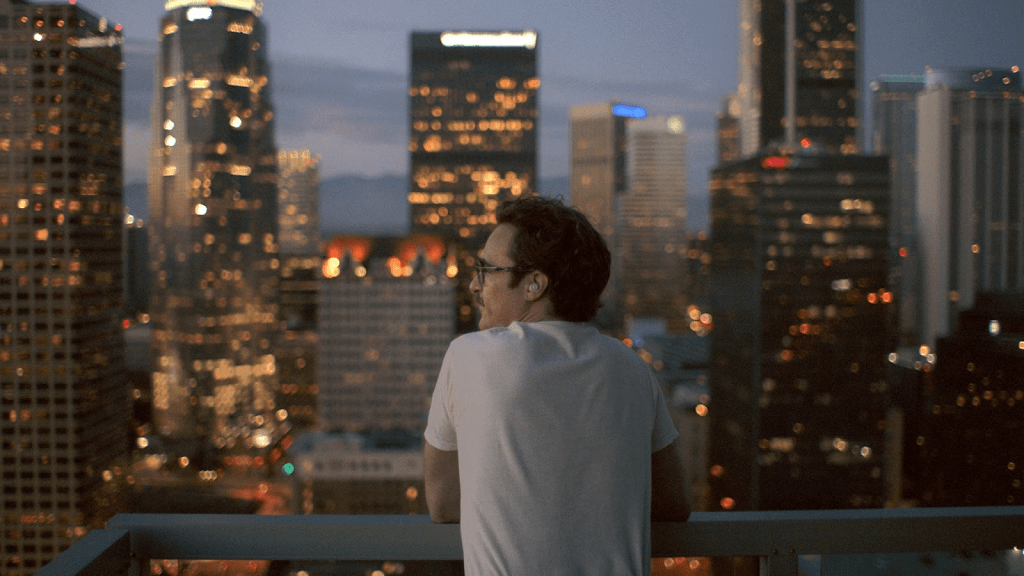
Image credit: Her, 2013, Warner Brothers
From Disney, to sitcoms to rom-coms, the story is always resolved by two people coming together in love – the quintessential “happy ending.” The protagonist finally ending up with the love interest marks the resolution of the narrative, and at the end of the story, most of our beloved characters will be neatly partnered up – think Rachel getting off the plane to be with Ross in the final moments of Friends. It is ingrained in our brains that a relationship equals completeness, equals a successful and happy life. It is no wonder, then, that we are all so obsessed with romantic love.
But it’s beginning to feel that we don’t just desire love–we desire to not be single. It is, of course, natural and wonderful to long for love, but when you hear people saying they “hate being single” or “just want a boyfriend” (as if that would solve all their problems) it feels like we might have the wrong mentality. I want to dive into why we are so scared of being single and why we are so scared to be alone – and why maybe we shouldn’t be.
As silly as it sounds, one of the reasons a partner can be such a valuable asset in the modern social landscape is because it provides a person to hang out with in a time where we’re all so starved of connection. There are many factors contributing to this so-called ‘loneliness epidemic,’ where it seems we are spending more time by ourselves than ever before; the BBC reported that people aged 16-29 are the loneliest generation in the UK. Living through Covid-19, especially for those who spent their formative years in lockdown, has left many of us as socially anxious homebodies who are insecure of our ability to have and hold conversations. There’s also a serious lack of third spaces: IPPR reports that around 50 pubs close a month in the UK, and 600 youth clubs shut from 2012 to 2016. And given the cost of living crisis, young people are becoming more conscious of budgeting, often limiting themselves to one night out a week, or opting out of drinking or clubbing altogether for “health reasons”. This means many young people feel they have no where to hang out with existing friends or meet new ones, socially limiting them.
Though the internet enables communication, it also hinders real connection. Phones being part of our everyday lives and the oversaturation of online content has made entertainment and online socialising too accessible. Hours of content are readily available to us at the press of a button. In the past, if you were bored you might have arranged to meet up with a friend in person, but now you would be more inclined to text them, call them, or just watch something on YouTube or Netflix. Our phones and social media can essentially become a crutch when we’re lonely or bored, as it’s easier, cheaper and less draining than in-person interaction. However, engaging with content online, especially on social media, gives us a false sense of social interaction. This makes us feel like we’re connecting with people, but it ultimately drains our social batteries without truly fulfilling that need for connection.
On a similar note, the rise of online dating means many people are becoming disillusioned with modern dating and are desperate to settle down so they don’t have to think about terms like “talking stage” or “situationship” ever again. Misguided, over-generalised dating advice on TikTok makes us feel there aren’t many “good ones” out there anymore, and misogynistic pick-up artists online only affirm this feeling. A relationship becomes our only salvation from having to delve into the murky waters of dating apps in order to meet someone. Security is an inherent draw of a committed relationship, and it’s become a more urgent need in this loneliness epidemic. The result is that being single has become something to be feared, even hated, because being single represents being alone.
Don’t get me wrong, I’m sure we’ve all had days where every obnoxiously happy couple we pass on the street makes us bitter – but it feels silly to hate being single or alone when in a sense, that’s just our default state of being. We should have our own identities that are completely autonomous and aren’t shaped around whoever you are or aren’t in a relationship with. Your identity is yours; it isn’t defined by your proximity to another person. I believe we need to reframe our thinking to see singleness as the norm rather than defining singleness by absences. Most of all, it seems we think of being single as merely an undesirable transitionary phase in between relationships, with a new partner always as the ultimate goal. However, being single can be just as valuable – if not even more – than a relationship, and working on yourself can make you a better partner if or when a relationship comes.
There are a plethora of things you can learn about yourself from being alone, and being single forces independence, self-examination, and growth. A free day in your schedule doesn’t have to be a burden; it can be a challenge to engage with your own hobbies, or visit a new café, or just spend time alone with your thoughts. Additionally, being single does n’t need to equal being alone; it can actually help you connect with others. Whilst the comfort of a relationship is invaluable, it can also become a social crutch – a person we can always call, always spend time with, or the person we’re so attached to we fear making other plans in case they might want to hang out instead. When you’re alone, it can force you to reach out and meet people, make friends, and try new things – and once you do, you’ll often find it’s not as scary as you thought. Most people will always be open and receptive to making new friends, because they are in the same boat: we’re all desperate for more connection. Perhaps it’ll be more valuable, for our relationships and our own identities, if we view romance as one of many facets to our lives, rather than the ultimate salvation from dreaded single life – another blessing gained rather than an absence filled.

Leave a comment